




Lithium-Ion vs. Tubular Batteries: Which Is Right for Your Solar System?
June 24, 2026
On-Grid vs. Hybrid Solar: Which System Should You Choose in 2026?
June 24, 2026
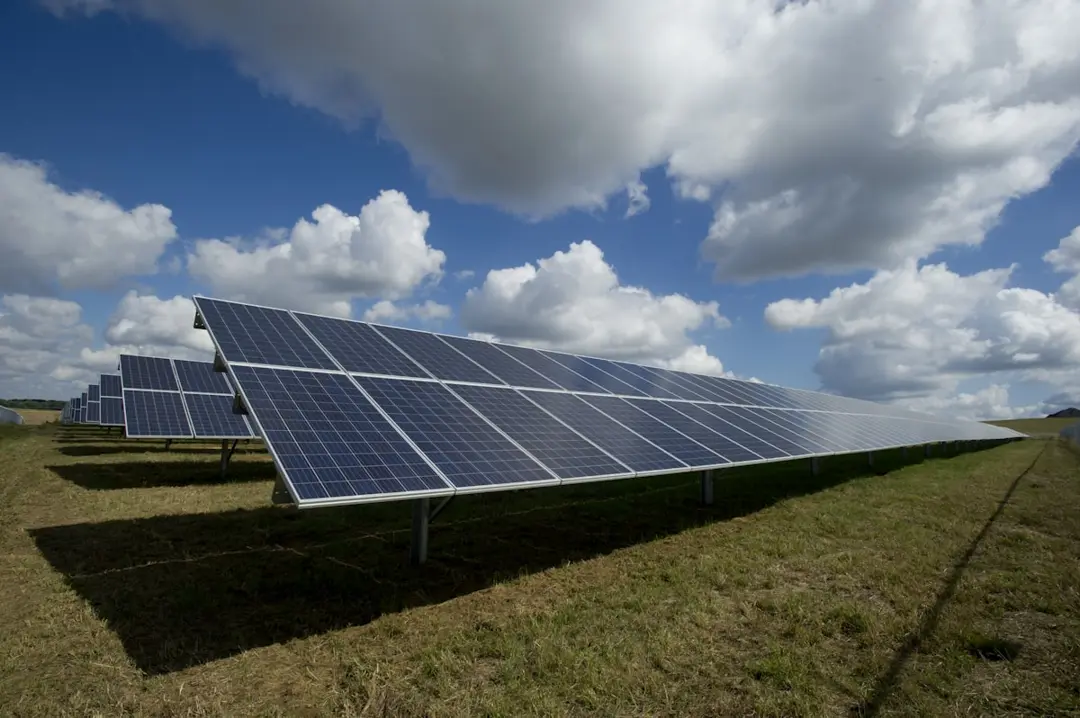
Dust accumulation can silently rob your solar system of 20—30% of its output. A proper cleaning routine takes less than 30 minutes and costs almost nothing
Pakistan’s climate presents one of the most challenging environments for solar panel maintenance in the world. From the dust storms of interior Punjab and Sindh to the construction dust of urban centres, solar panels in Pakistan accumulate soiling faster than in most other regions. Independent research conducted on installations across Lahore, Multan, and Karachi found that unclean panels lose between 15% and 35% of their rated output within three months of installation — losses that directly translate into higher electricity bills and longer payback periods.
The good news is that solar panel cleaning is straightforward and requires no specialist equipment for most residential systems. The most effective approach is a soft microfibre cloth or a non-abrasive squeegee, a bucket of clean water, and 30 minutes of your time. For rooftop arrays, a telescoping brush with a soft head allows you to clean safely from the rooftop perimeter without stepping on the panels.
Timing matters. The best time to clean your panels is early morning or late afternoon when the panels are cool. Pouring water onto hot panels creates thermal shock that, over time, can cause micro-cracking in the glass or cell connections. Never use abrasive scrubbers, high-pressure water jets, or cleaning chemicals unless they are specifically approved for photovoltaic surfaces — these can scratch the anti-reflective coating that is responsible for a meaningful portion of the panel’s efficiency.
For ground-mounted systems and large commercial arrays, we recommend a scheduled quarterly professional clean. Our service team uses deionised water systems and soft-brush vehicles to clean panels without leaving mineral deposits that themselves reduce transmission. We also check mounting hardware torque, cable condition, and inverter performance logs during each service visit — catching potential issues before they become expensive failures.
A simple tracking habit will tell you whether your cleaning schedule is working. Log your inverter’s daily peak output (available in the monitoring app) on a clear, sunny day each month. A gradual downward trend between cleans indicates soiling loss. After a proper clean, output should return to baseline within a day or two.